
Diabetic Retinopathy
The damage you can't feel. A look at how diabetes affects the retina, why it often goes unnoticed, and what can be done about it at each stage.
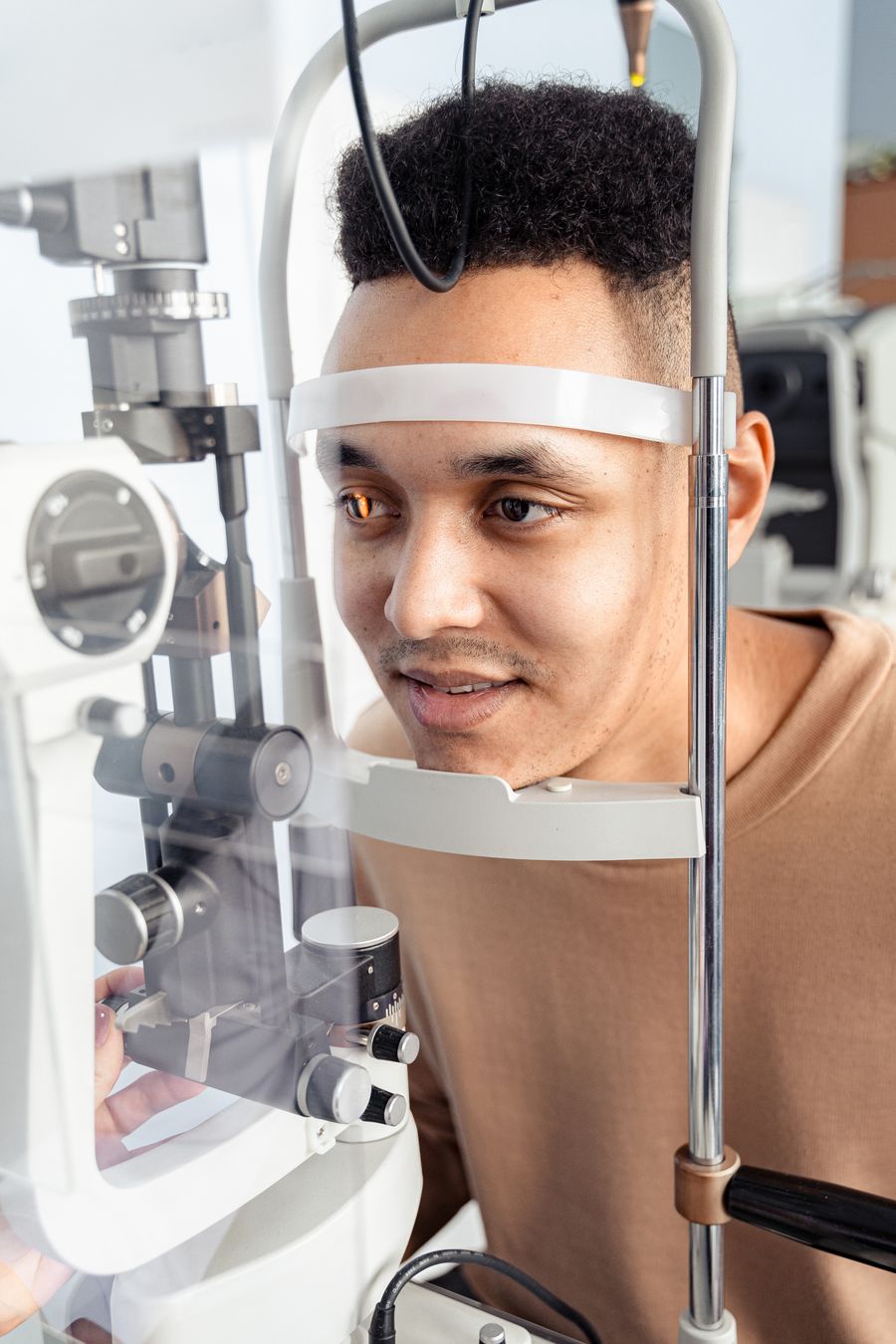
Diabetic retinopathy is a complication of diabetes that damages the blood vessels supplying the retina, the light-sensitive tissue at the back of the eye. It's one of the leading causes of preventable vision loss in working-age adults, and it can affect anyone with type 1 or type 2 diabetes.
What makes it difficult to catch on your own is that it rarely causes noticeable symptoms in its early stages. Vision can remain sharp even as blood vessel damage is already underway - which is exactly why regular screening matters more than how well you feel your eyes are working.
- -Often nothing at all in the earliest stage, which is why exams matter even with good vision.
- -Blurred or fluctuating vision, sometimes tied to blood sugar swings.
- -Floaters or dark strings drifting across your field of view.
- -Dark or empty patches in your vision.
- -Difficulty seeing well at night.
- -In advanced cases, sudden vision loss from bleeding inside the eye.
Consistently elevated blood sugar weakens the small blood vessels feeding the retina over time. Weakened vessels can leak fluid or blood, causing swelling (macular edema), or the retina can respond to poor blood flow by growing new, fragile blood vessels - a more advanced stage called proliferative diabetic retinopathy.
The biggest risk factors are how long you've had diabetes and how well blood sugar has been controlled over that time, along with high blood pressure and high cholesterol. Pregnancy can also accelerate changes in patients with pre-existing diabetes.
Dilated Eye Exam
Drops widen the pupil so the retina can be examined directly for bleeding, swelling, or abnormal vessels.
Optical Coherence Tomography
A quick, non-invasive scan that measures retinal thickness and detects swelling at the macula.
Fluorescein Angiography
A dye highlights blood flow in the retina, revealing leaking or blocked vessels in more detail.
Fundus Photography
Detailed photographs of the retina create a baseline to track changes visit over visit.
Blood Sugar & Blood Pressure Control
The foundation of treatment at every stage - it slows progression more than any procedure alone.
Anti-VEGF Injections
Medication injected into the eye to reduce swelling and abnormal vessel growth.
Laser Photocoagulation
Targeted laser treatment seals leaking vessels or shrinks abnormal ones.
Vitrectomy
Surgery to remove blood or scar tissue from the eye in more advanced cases.
How often should I get a dilated eye exam if I have diabetes?
Most patients with diabetes are advised to have a dilated exam at least once a year, even without symptoms. If retinopathy is already present, Dr. Mercer may recommend checking more often to monitor changes closely.
Can diabetic retinopathy be reversed?
Existing vessel damage generally can't be undone, but progression can often be slowed or stopped with treatment and blood sugar control. Vision affected by macular edema can sometimes improve once swelling is treated.
Does it always cause noticeable symptoms?
No. Early and even moderate diabetic retinopathy can exist without any change in how you see. That gap between how your eyes feel and what's actually happening is the main reason screening exams matter.
Is this the same as diabetic macular edema?
They're related but not identical. Diabetic macular edema is swelling at the macula, the retina's central vision area, and it can occur at any stage of diabetic retinopathy - it's one specific way the disease can affect your sight.
Have a Question Specific to Your Eyes?
This guide is general information, not a diagnosis. If something here applies to you, Dr. Mercer's office is glad to hear from you.
Get in Touch